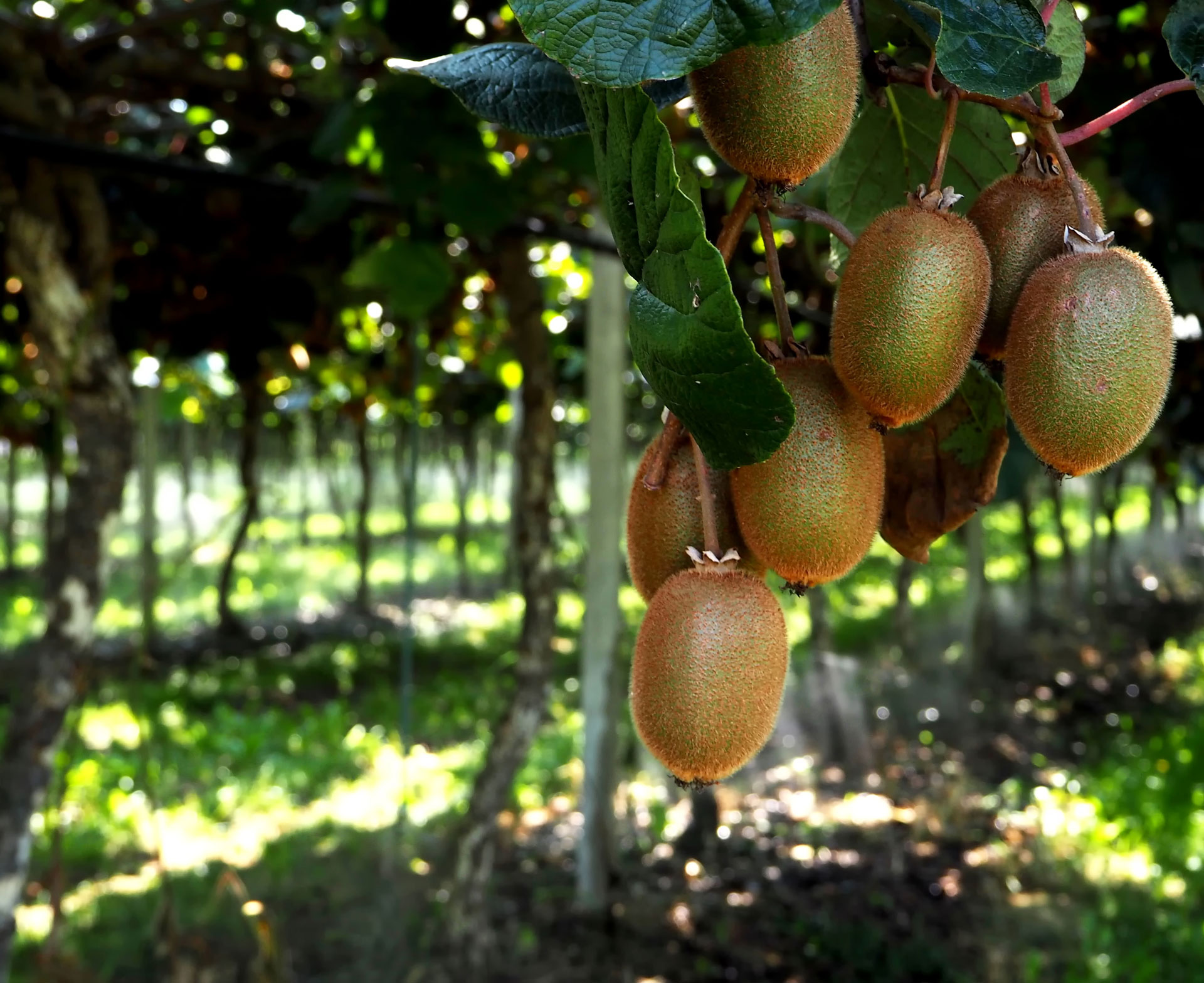
Any farmer can tell you that keeping your vines healthy, is the single biggest factor in ensuring a good harvest. We created ECO Nurture to help farmers achieve this very goal. Any healthy plant can better resist disease and bad weather.
One of the most feared infections of kiwifruit vines is bacterial canker (i.e. PSA). Named after the bacteria pathogen responsible Pseudomonas syringae pv. actinidiae. PSA is a serious disease that can cripple kiwifruit crops and cause significant damage. PSA can infect all areas of the plant, including the leaves, vines, and fruit. Early identification is critical in helping prevent the spread and minimising it’s impact.
Here are a few of our recommendations, for steps in early identification:
1. Monitor the Leaves
The first signs of PSA infection in kiwifruit plants are frequently seen in the leaves. Early symptoms of the disease can include small, soggy spots that are dark and often angular. As the disease progresses, the spots become necrotic, turning brownish-black and angular. If it gets severe enough, the lesions can coalesce, causing large areas of leaf blight. Infected leaves may also turn yellow, wilt, and drop prematurely.
2. Inspect the Vines
PSA can also cause cankers on the vines. The cankers appear as sunken, brownish-black lesions that may release a sticky gum. The cankers can girdle the vine and cause wilting and dieback of the affected shoots. In severe cases, the cankers can kill the entire vine.
3. Examine the Fruit
PSA can infect the kiwifruit themselves, causing small, sunken lesions that are slightly raised and reddish-brown in colour. The lesions may exude a clear or yellowish gum, and the fruit may become misshapen or deformed. Infected fruit can drop prematurely, reducing crop yield.
4. Look for Soggy Areas
In the early stages of infection, PSA can cause soggy areas on the plant tissues, which may appear greasy or oily. The infected areas may feel soft or mushy to the touch.
5. Check for Bacterial Ooze
PSA-infected plants may exude a bacterial ooze, which is a sticky, translucent or yellowish liquid that can be seen on the surface of the lesions or cankers. The ooze is made up of bacterial cells and can contain millions of viable bacteria that can infect healthy plants.
6. Conduct a Laboratory Test
If you suspect that your kiwifruit plants are infected with PSA, you can conduct a laboratory test to confirm the presence of the bacteria. Collect plant samples and send them to a plant diagnostic laboratory for analysis. A laboratory test is the most accurate way to diagnose PSA infection and is recommended for confirmation of any suspicion.
Early identification of bacterial canker (PSA) in your kiwifruit vines can help prevent it’s spread and minimise the impact on crop yield. By monitoring the plants closely you can be ready to act should any signs show.
We recommend keeping your kiwifruit plants as healthy as possible with ECO Nurture our Plant Bio-Stimulant. Healthy plants are more capable of resisting the onset of disease and increasing crop yields.